Summary
A lecture to a nutrition science audience on chrono nutrition as a research field. How meal timing is actually measured, how it is studied in people, and what the resulting evidence does and does not support.
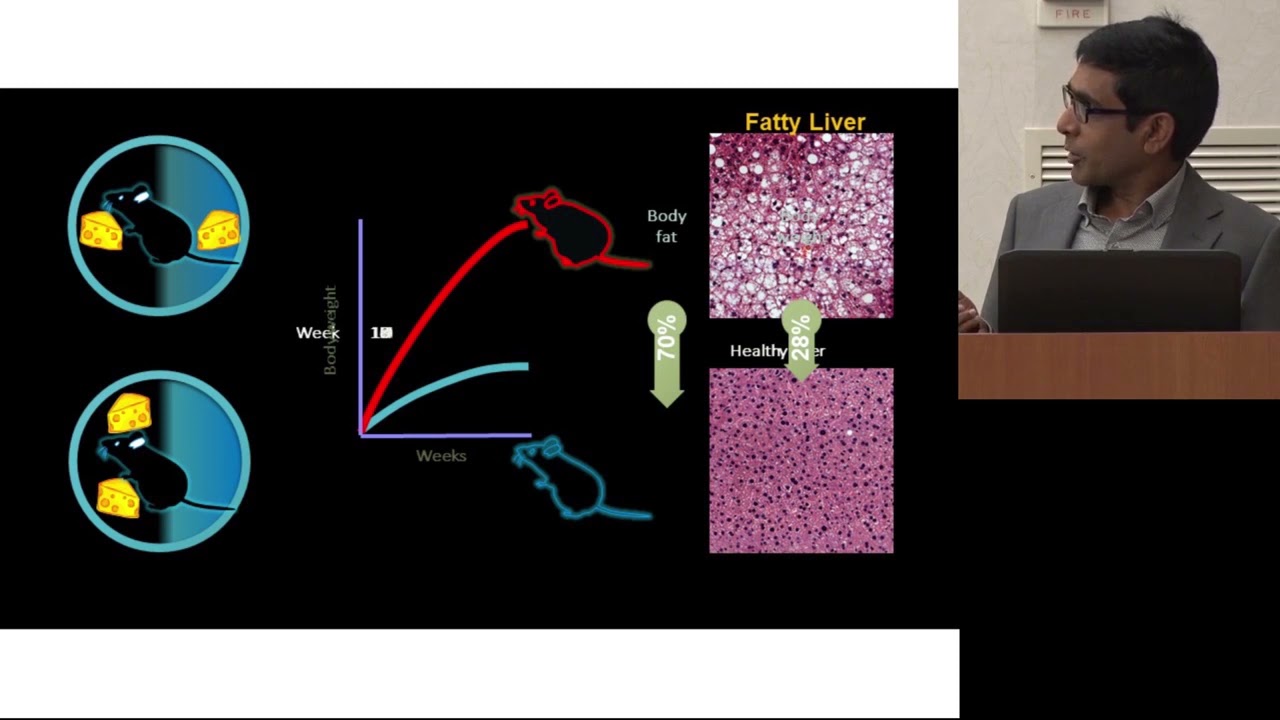
The methodological content is the valuable part. Self reported dietary recall is poor at capturing timing, which is part of why the question went unstudied for so long. Dr Panda's group addressed this by building an app and digital platform that logs eating events as they happen and pairs them with wearable data including continuous glucose monitoring. Running those studies with collaborators internationally revealed how widespread circadian disruption is, and provided the kind of timing data that conventional nutrition epidemiology had never collected. The animal work underpinning it, meaning feeding window studies with calories held constant, established that timing has effects independent of intake.
Useful for nutrition researchers weighing how to incorporate timing into study design without relying on recall.